Filipino Variety Shows: How the Format Moves
- Variety television changes jobs every few minutes
- Hosts provide continuity
- Music serves several functions
- Games turn viewers into participants
- Verify contests before responding
- Comedy depends on context and consent
- Live and recorded elements can coexist
- Promotion is built into the format
- Noontime is a major subformat
- Watch the transitions
- What sources anchor this guide?
Variety television changes jobs every few minutes
A Filipino variety show combines performance, hosting, comedy, games, interviews, audience participation, celebrity promotion, and recurring segments inside one program. Exact mixes differ by show, era, region, broadcast reach, and language. A central production skill is transition: moving among songs, comedy, interviews, and contests while maintaining continuity.
Treat “Filipino variety show” as a broad television category, not one fixed rundown owned by a particular program.
Hosts provide continuity
Hosts introduce segments, explain rules, manage time, respond to live developments, support guests, and maintain tone. Multiple hosts can divide roles among comedy, interviews, games, and performance.
Spontaneity may be partly structured through rundowns, cues, rehearsals, and production teams. Respect the writers, researchers, floor directors, stage managers, camera crews, audio teams, dancers, musicians, and audience coordinators behind apparently effortless chatter.
Music serves several functions
Shows may feature guest numbers, house bands, dance ensembles, theme songs, promotional performances, competitions, and short stings that identify segments. A television arrangement often adapts a song for time, staging, cameras, and live audience.
The teleserye theme guide shows how a dramatic song can receive another life through a variety-stage performance.
Games turn viewers into participants
Studio contestants, callers, remote audiences, and home viewers can enter through quizzes, physical games, talent portions, voting, or chance-based segments. Eligibility, prizes, privacy, and rules depend on the current production and applicable law.
Verify contests before responding
Do not send money, personal data, passwords, or one-time codes in response to an unofficial message claiming to represent a show. Locate the broadcaster or program's verified page independently and read the current published rules before entering or paying anything.
Comedy depends on context and consent
Improv, sketches, character work, banter, and playful competition can create energy, but humor should not rely on harassment, discrimination, humiliation, or exposing private information. Edited clips may remove setup and response.
Judge a disputed moment through full authorized context and verified statements. Do not amplify captions that expose private information or encourage harassment.
Live and recorded elements can coexist
Some segments may be live, delayed, prerecorded, or edited. Production status affects timing, audience interaction, and how mistakes are handled. Do not assume every broadcast moment occurred at the moment of viewing.
Check the program's official description and episode information when the distinction matters.
Promotion is built into the format
Actors, musicians, films, dramas, concerts, and campaigns appear through interviews and performances. A segment may entertain while also advertising another production.
The love-team culture guide explains how promotional pairing can become a recurring variety-show narrative without granting access to performers' private relationships.
Noontime is a major subformat
Noontime shows often mix live energy, games, music, comedy, and broad household address around the midday schedule. The noontime-show guide focuses on that scheduling and audience context separately.
Do not treat all variety television as noontime television; evening, weekend, talent, and special-event formats may organize attention differently.
Watch the transitions
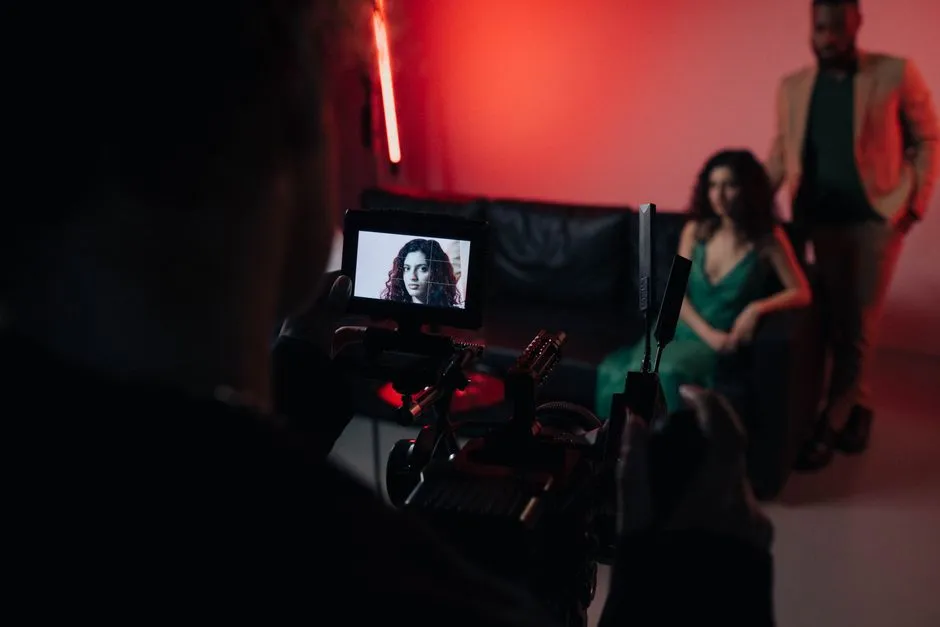
Choose one authorized episode and log segment type, duration impression, host handoff, music cue, audience role, and promotional purpose. Notice how lighting, camera movement, graphics, and sound reset expectations.
Variety television is organized change. Its craft becomes visible in the handoffs among hosts, music cues, camera resets, graphics, and audience instructions.
What sources anchor this guide?
A Malay Journal article in the DLSU repository analyzes one Philippine variety-game program through game, ritual, gambling, and serialized-drama motifs. It is evidence about one documented case, not a fixed checklist for every variety show. The segment list in this guide is therefore an observation tool, and current program details must come from official materials.