Filipino Hip-Hop: Listen for Language and Place
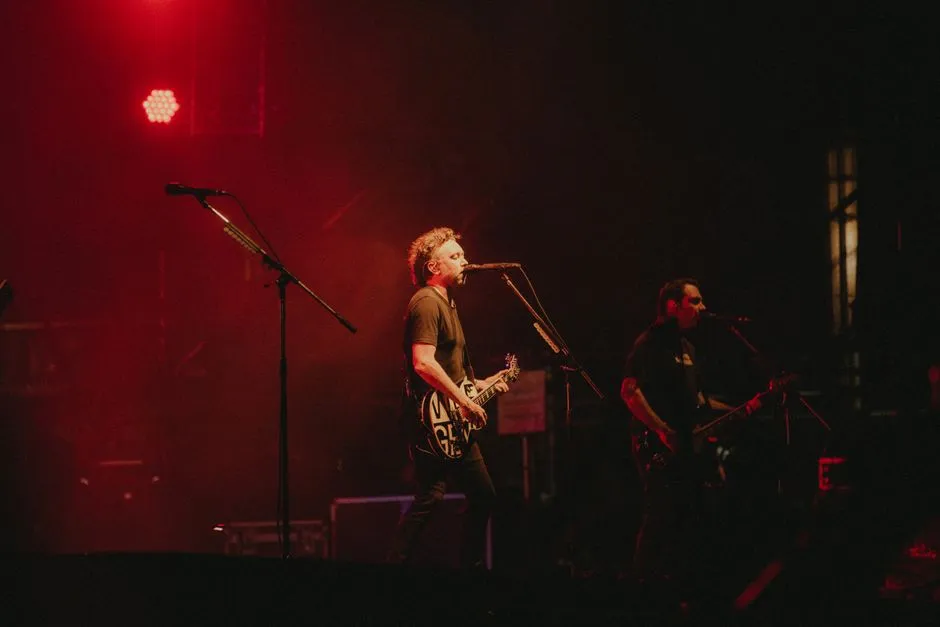
- Filipino hip-hop speaks from many places
- Follow flow before chasing translation
- Hear code-switching as technique
- Study the beat as an argument
- Separate battle form from personal license
- Listen for local subject matter without demanding sociology
- Follow independent routes
- Build a comparative listening set
- What sources anchor this guide?
Filipino hip-hop speaks from many places
Filipino hip-hop includes rap, DJ practice, beatmaking, dance, visual culture, live competition, and community activity across languages, regions, classes, generations, and diaspora. No single city, flow, or production style owns the whole field.
Start with voice and address. Who is speaking, what language or mixture carries the line, which audience is assumed, and how does the beat make space for that speech?
Follow flow before chasing translation
Flow includes rhythm, stress, rhyme placement, breath, repetition, and the relationship between words and beat. Even when you need a translation, first hear how syllables land, accelerate, drag, or switch pattern.
Use authorized lyrics or reliable transcriptions when available. Slang and regional language can lose meaning through literal translation, so seek context rather than treating the nearest English word as a complete explanation.
Hear code-switching as technique
Do not infer a track's language from a national or genre label. Use artist-approved lyrics, credits, and knowledgeable community context to identify the language, then listen for how its stress, rhyme, social register, humor, intimacy, and code-switching shape the verse.
The languages in Filipino songs guide offers a method for listening without ranking one language as more legitimate.
Study the beat as an argument
Listen for drum placement, bass, sample texture, melodic loop, silence, and section change. A minimal beat can place language in front; a dense one can create pressure or spectacle. Notice what changes beneath a repeated hook.
If a release uses a sample or closely recreates a particular recording, have a qualified music-rights adviser review the material, territory, and agreements before distribution. Keep cultural history and contributor credit separate from the legal review.
Separate battle form from personal license
Competitive rap can use exaggeration, insult, persona, and technical display under scene conventions. That does not make harassment, threats, discrimination, or invasion of private life acceptable outside the performance context.
When explaining a battle or diss, use publicly released material and verified context. Do not turn rumor into lyrical annotation.
Listen for local subject matter without demanding sociology
Tracks may address work, inequality, migration, neighborhood, family, politics, identity, romance, faith, comedy, or craft itself. Discuss claims within the full lyric and historical moment. Avoid treating every rapper as a spokesperson for an entire community.
Music can document experience and create fiction at the same time; first-person voice is not automatically sworn testimony.
Follow independent routes
Artists may circulate through labels, collectives, live events, radio, video, direct uploads, and social platforms. The Filipino indie guide helps trace these networks without confusing independence with obscurity or one genre.
Read producer, beatmaker, featured performer, engineer, director, and visual credits. Hip-hop authorship is often distributed across more roles than a headline displays.
Build a comparative listening set
Choose tracks in different languages, tempos, regions, and production scales. Include narrative rap, performance-focused work, a collaborative track, and a beat where silence matters. Use the broad OPM map without forcing hip-hop to justify itself through pop categories.
Follow authorized releases and artist-approved pages. Hear language, beat, place, and scene together, and do not treat one performer as representative of the entire field.
What sources anchor this guide?
The Philippine Intellectual Property Code lists musical and audiovisual works among protected works and gives copyright holders rights over reproduction, adaptation, distribution, public performance, and communication to the public. That is why this guide treats sample clearance and redistribution as project-specific rights questions, separate from musical analysis.