Filipino Love-Team Culture Without the Gossip
- A love team is a screen and promotion pairing
- Repetition creates a shared story
- Screen chemistry is collaborative craft
- Variety shows extend the pairing
- Fandom can support without controlling
- Avoid turning speculation into reporting
- Let performers work beyond the pair
- Read the format historically, not universally
- Keep the useful distinction
- What sources anchor this guide?
A love team is a screen and promotion pairing
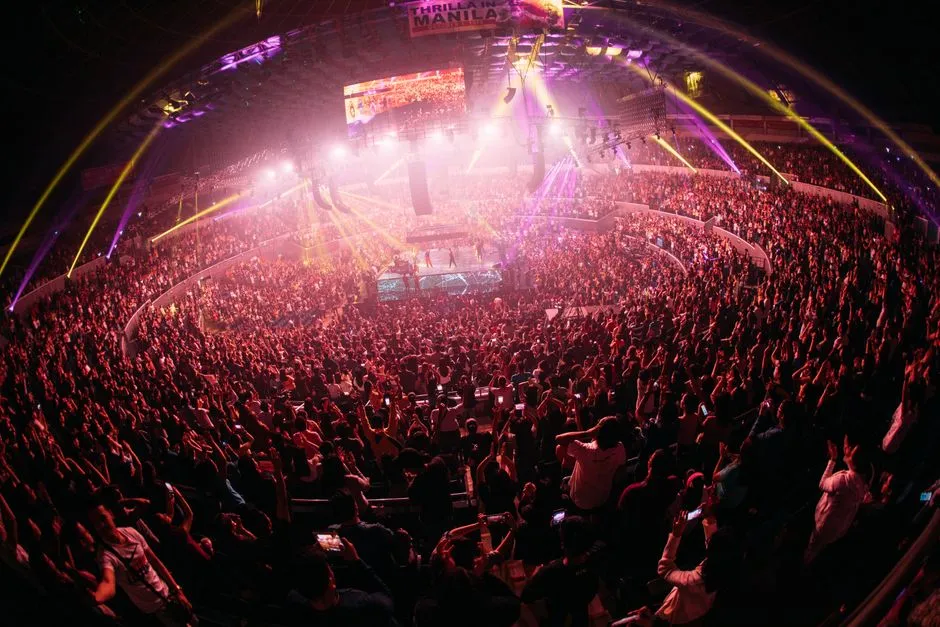
In Filipino entertainment, “love team” commonly describes two performers repeatedly paired in romantic stories, appearances, music, advertising, or publicity. The screen narrative can travel across television, film, variety shows, concerts, and fan communities.
It is a professional entertainment format, not proof of a private romantic relationship. Screen chemistry is part of performance and does not create access to private life.
Repetition creates a shared story
Audiences may follow a pairing through first meeting, conflict, reconciliation, and new projects. Promotional interviews, photo shoots, songs, and live appearances can extend the fictional or public-facing narrative between releases.
That continuity lowers the introduction cost for a new project: viewers already understand the pairing's emotional vocabulary. It can also make it harder for performers to develop separate roles if audiences insist the format is permanent.
Screen chemistry is collaborative craft
Performance, writing, direction, editing, cinematography, music, costume, and publicity all shape how a pairing feels. A meaningful glance may owe something to acting and something to the editor who selected it from several takes.
The teleserye theme guide shows how recurring music reinforces an emotional association without establishing anything about private life.
Variety shows extend the pairing
Games, interviews, duets, sketches, and audience moments let performers present a lighter version of their screen dynamic. Some spontaneity may be genuine, while the segment itself remains professionally produced.
Use the variety-show guide to read hosting, promotion, and staging. Do not treat an edited clip as unrestricted documentary access.
Fandom can support without controlling
Fans may create art, organize events, attend screenings, support releases, or celebrate milestones. Those activities become harmful when they pressure performers to disclose relationships, attack other collaborators, track private locations, or punish individual career choices.
The fan-club etiquette guide places consent, privacy, venue rules, and accurate credit ahead of imagined ownership.
Avoid turning speculation into reporting
Use verified public statements and official project information. Label fiction, promotion, and confirmed fact separately. Do not infer relationship status from gestures, costumes, lyrics, follows, absences, or anonymous posts.
Do not repeat rumor-account claims as fact. Use verified public statements and official project information, and leave private locations or relationships unconfirmed when no reliable public record exists.
Let performers work beyond the pair
A love team can be an important creative chapter without defining either person's full identity or career. Separate projects, different co-stars, new genres, or private boundaries do not betray audiences.
Discuss acting choices, project quality, music, and public work. Avoid framing professional independence as personal conflict unless reliable on-record evidence supports a specific claim.
Read the format historically, not universally
This guide uses “love team” for a publicly promoted performer pairing across screen stories, appearances, music, or publicity. Practices vary by era, network, platform, and audience; make any historical origin claim only when a primary entertainment archive supports it.
Do not present one pairing as the sole model. Formats change with audience habits, platforms, and production systems.
Keep the useful distinction
Say “paired in these public projects” when that is what evidence shows. Say “confirmed relationship” only when the people involved have publicly confirmed it through reliable sources and the detail is relevant. Say nothing about private matters that are neither public nor necessary.
Love-team culture is easiest to enjoy when viewers respect the border between story and person. The romance can occupy the screen while viewers respect each performer’s privacy and independent career.
What sources anchor this guide?
A DLSU communication thesis abstract documents one named fandom organizing event participation, community projects, and other initiatives. That case shows why fandom should be studied through specific evidence rather than treated as a universal script. This guide does not infer any performer’s private relationship, identity, or intention from a promotional pairing.